

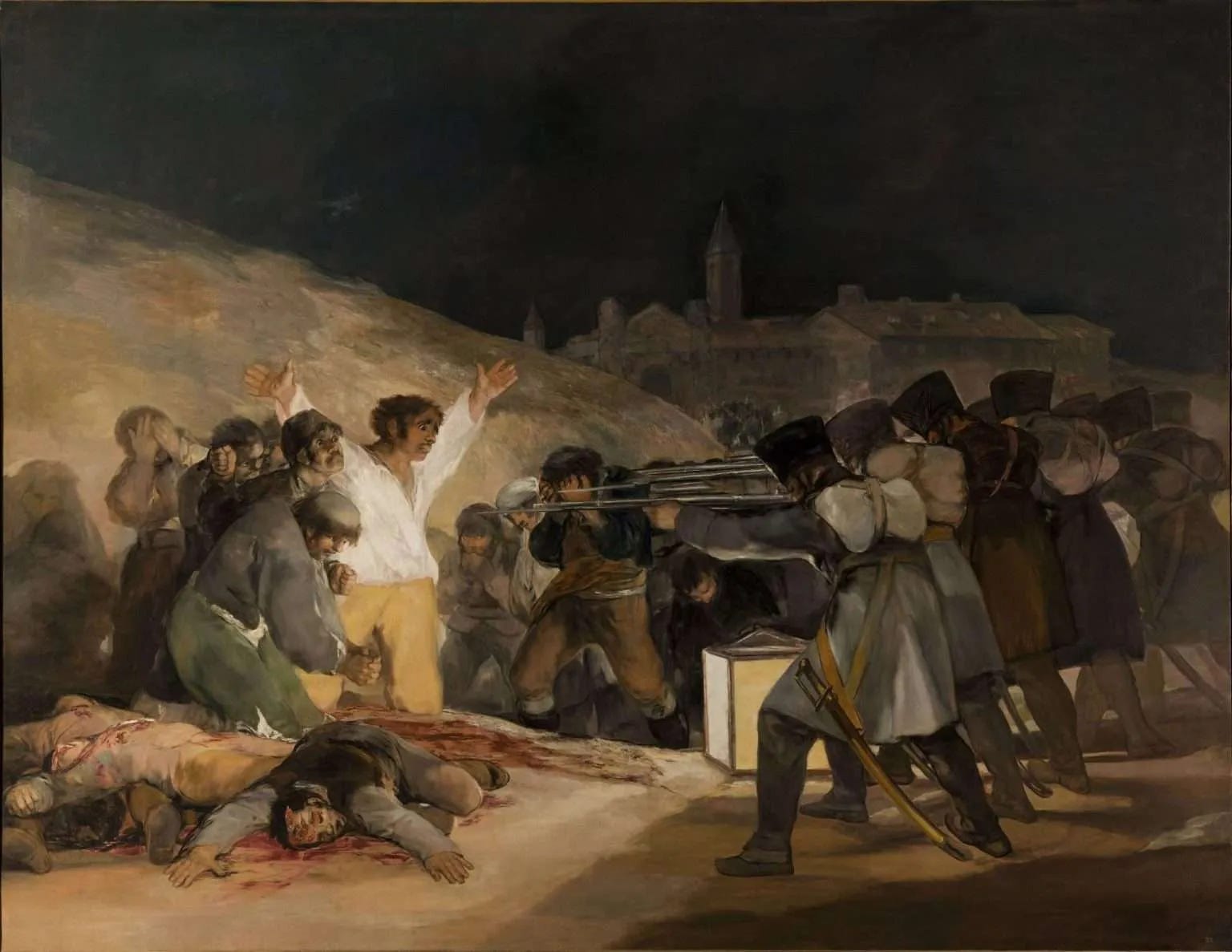
This text provides a further example of polemics between Jesus and the religious authorities of his day. According to most scholars, the polemic is more a reflection of tensions between Jewish and Christian groups at the time of writing, rather than those that might have existed at Jesus’ time, half a century earlier. A significant catalyst for this tension was the destruction of the Jerusalem Temple in 70 CE, following a brief and ill-fated uprising against the occupying Roman forces. This destruction was accompanied by the expulsion of most of the Jewish population of Palestine and the effective demise of the Temple Priests as the central authority of Judaism. In the aftermath of this turmoil, the group known as the Pharisees came to the fore and sought to cleanse the religion of any perceived impurities. This amounted to a schism between the Jewish communities of the time and the fledgling Christian Churches, many of whom were, by then, populated by Gentiles as well as Jewish converts. It is likely, therefore, that this turmoil had a significant impact on the way in which the Pharisees were depicted in the Gospels and, in particular, where conflict between Jesus and his contemporaries was found. Viewed through the lens of the late first century conflict, the violence and treachery of the tenants in the parable, is somewhat indicative of how these communities, in conflict with one another, viewed their adversaries.
The parable presents a strong indictment, against the religious authorities of the time, not only for their failure to act as good stewards of God’s gifts but also for their rejection of the prophets who regularly called them to account. It also foreshadows Jesus’ own fate in the treatment of the landowner’s son (Mt 21:38-39). Beyond these indictment of the religious leaders, the parable asserts that all humankind are stewards of God’s gifts, charged with the responsibility of bearing fruit from that which we are given.
Gospel Text: Matthew 21:33-43
Jesus said to the chief priests and the elders of the people, ‘Listen to another parable. There was a man, a landowner, who planted a vineyard; he fenced it round, dug a winepress in it and built a tower; then he leased it to tenants and went abroad. When vintage time drew near he sent his servants to the tenants to collect his produce. But the tenants seized his servants, thrashed one, killed another and stoned a third. Next he sent some more servants, this time a larger number, and they dealt with them in the same way. Finally he sent his son to them. “They will respect my son” he said. But when the tenants saw the son, they said to each other, “This is the heir. Come on, let us kill him and take over his inheritance.” So they seized him and threw him out of the vineyard and killed him. Now when the owner of the vineyard comes, what will he do to those tenants?’ They answered, ‘He will bring those wretches to a wretched end and lease the vineyard to other tenants who will deliver the produce to him when the season arrives.’ Jesus said to them, ‘Have you never read in the scriptures:
It was the stone rejected by the builders
that became the keystone.
This was the Lord’s doing
and it is wonderful to see?
‘I tell you, then, that the kingdom of God will be taken from you and given to a people who will produce its fruit.’
See
How does the text depict the state of the vineyard at the time that it was leased to the tenants?
What motivation is shown, in the text, to explain the behaviour of the tenants?
What is the consequence of their actions for the tenants?
Judge
How does the background to the conflict between Christian and Jewish communities in the late first century inform our understanding of this text?
What is the significance of ancient historical religious conflicts for the way that we live today?
What responsibilities does this text place on us, as stewards of God’s gifts?
Act
What steps can we take to ensure that we use God’s gifts in way that bear fruit?
What actions can we take, within our own communities, to ensure that ancient conflicts do not lead to mistrust and division today?
In what ways can we help to influence broader social narratives to focus on our common humanity rather than sectarian divisions?
Image: https://christian.art/daily-gospel-reading/matthew-20-1-16-2023-2/
Gospel Text https://www.universalis.com/Australia/1100/mass.htm
Further Reading: