

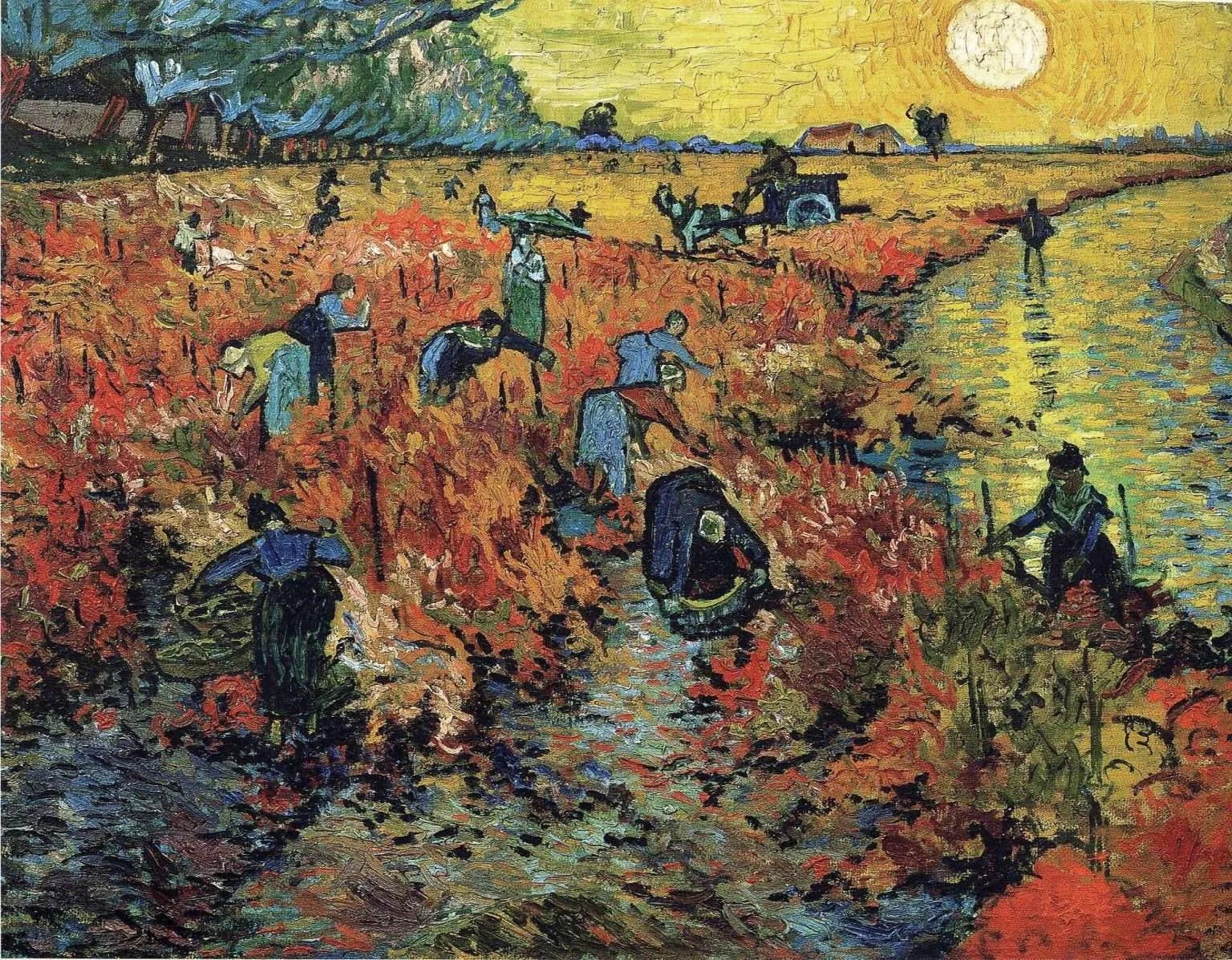
The Gospels consistently present Jesus’ life and ministry and a radically counter-cultural phenomenon which literally turns things upside down. The well-known saying ‘the last will be first, and the first, last’ (Mt 20:16), is a fairly stark way of conveying this idea. If this saying is not sufficiently unsettling for those of us living lives of comfort, the parable that precedes it is even more disturbing. The context is simple, day labourers wait in a village square hoping that someone will give them work for the day. While the reader might be inclined to see idleness among those waiting as the hours of the day pass, the reality is more akin to desperation as, to not work, even for a day, would likely equate to hunger for the worker and their family. In the parable, after initially hiring workers at daybreak, for an agreed amount, the landowner returns a further four times, each time hiring more labourers. The twist in the tail of the parable comes at the end of the day when the labourers are paid. The latest arrivals are paid first and, very generously, they are paid the rate for a full day’s work. This, unsurprisingly creates an expectation among those who had worked all day that they would receive greater pay. When this doesn’t eventuate they are left frustrated and annoyed. The landowner reminds them that they are being paid according to what was agreed and, therefore, no injustice had been done. It is an instance of generosity to the late arrivals rather than discrimination against the first.
The parable invites multiple levels of meaning. In its original context among the Palestinian Jewish communities of the first century, it is an allegory about the people of Israel, as the chosen ones, and the Gentiles who experience God’s love at a later point in history. The historical precedence of the election of the Jewish people does not, in any way, suggest a hierarchy in God’s Kingdom. Rather, God’s love is poured out generously, and abundantly, to all people, without distinction. This understanding had significance at the time of the Gospel writing, in the latter part of the first century, as, by this time, the Gospel message had well and truly reached the Gentile world causing the infant Christian Churches to wrestle with the way to include these non-Jewish converts alongside their Jewish brethren. The Acts of the Apostles and the Letters of St Paul have frequent references to this struggle.
Beyond matters pertaining to the first century, the parable also invites a contemporary application. By paying the last of the workers first, the parable touches on the notion, from Catholic Social Teaching, of the preferential option for the poor, which asserts that the poorest and most vulnerable members of communities should be given the highest priority in terms of support, provision of services etc. For those of us living in comfort, this brings the challenge of accepting and supporting a society which takes the resources generated from our wealth and distributes these in a way that prioritises the needs of the poorest. Such a redistribution of wealth is a radical departure from our usual sense of entitlement. But which is closer to the message of the Gospel?
Gospel Text: Matthew 20:1-16
Jesus said to his disciples: ‘The kingdom of heaven is like a landowner going out at daybreak to hire workers for his vineyard. He made an agreement with the workers for one denarius a day, and sent them to his vineyard. Going out at about the third hour he saw others standing idle in the market place and said to them, “You go to my vineyard too and I will give you a fair wage.” So they went. At about the sixth hour and again at about the ninth hour, he went out and did the same. Then at about the eleventh hour he went out and found more men standing round, and he said to them, “Why have you been standing here idle all day?” “Because no one has hired us” they answered. He said to them, “You go into my vineyard too.” In the evening, the owner of the vineyard said to his bailiff, “Call the workers and pay them their wages, starting with the last arrivals and ending with the first.” So those who were hired at about the eleventh hour came forward and received one denarius each. When the first came, they expected to get more, but they too received one denarius each. They took it, but grumbled at the landowner. “The men who came last” they said “have done only one hour, and you have treated them the same as us, though we have done a heavy day’s work in all the heat.” He answered one of them and said, “My friend, I am not being unjust to you; did we not agree on one denarius? Take your earnings and go. I choose to pay the last comer as much as I pay you. Have I no right to do what I like with my own? Why be envious because I am generous?” Thus the last will be first, and the first, last.’
See
This Gospel text is presented as a parable. What do we understand about how parables are presented?
Considering the possible allegorical meaning of this text, who is represented as the landowner?
What actions of the landowner are particularly characteristic of God’s Kingdom?
Judge
In what ways are the actions of the landowner fair or unfair, according to conventional societal behaviour?
Do those who have worked all day have reason to be aggrieved? Why/Why not?
How does this parable contrast the values of God’s Kingdom with those of the dominant views in society?
Act
Study the meaning and application of the preferential option for the poor and other principles of Catholic Social Teaching.
How can I provide preferential treatment of those who are poor and/or vulnerable within my spheres of influence?
How can I advocate for those who are poor and/or vulnerable in a broader social context?
Image https://christian.art/daily-gospel-reading/matthew-20-1-16-2023-2/
Gospel Text https://www.universalis.com/Australia/1100/mass.htm
Further Reading: